
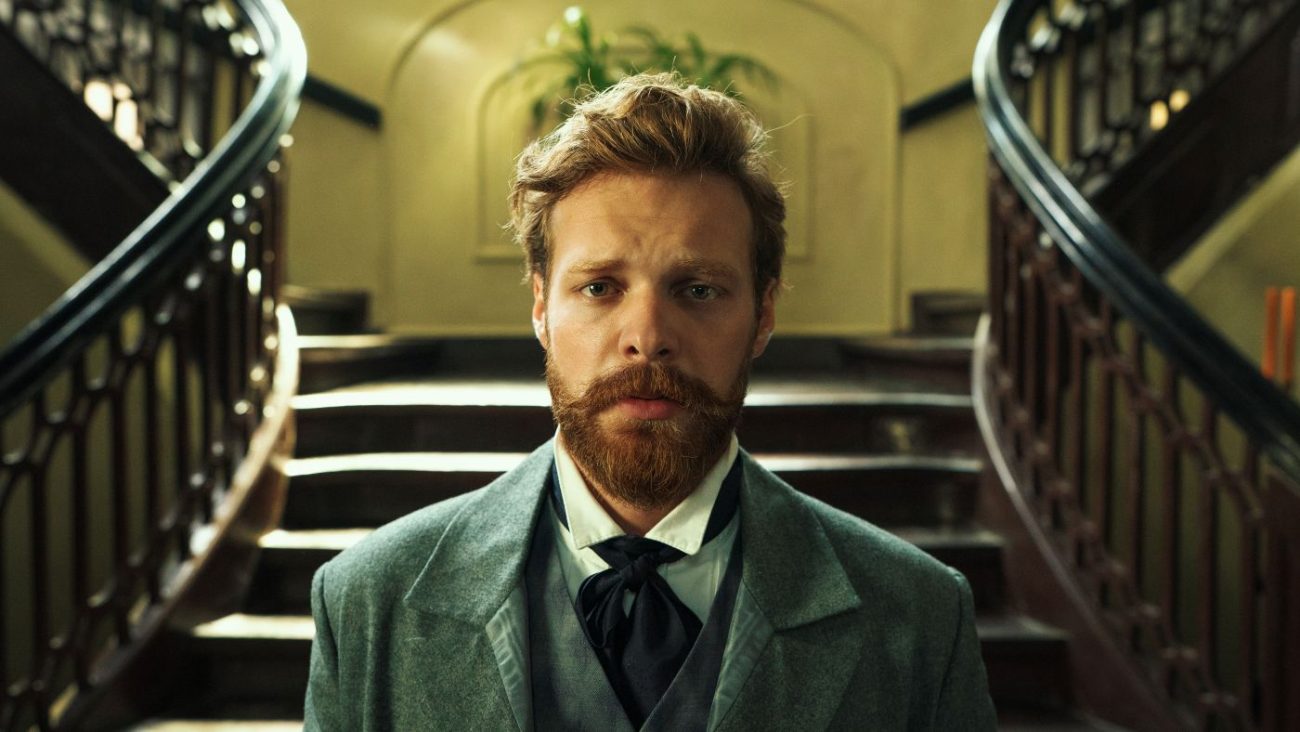
Series: The Doll (Lalka)
Episode: Season 1, Episode 2
Year: 2026
Country: Poland
Setting: 19th-century Warsaw
Based on: The Doll by Bolesław Prus
Stanisław Wokulski: Tomasz Schuchardt
Izabela Łęcka: Sandra Drzymalska
Ignacy Rzecki: Dariusz Chojnacki
Streaming: Netflix
The Łęcki family’s financial crisis deepens in The Doll Season 1 Episode 2, while Wokulski uses his growing fortune to move closer to Izabela , albeit with increasingly uncomfortable consequences.
The Łęckis lose everything
Izabela’s father finally admits the scale of the disaster caused by the fire. The business was not insured, and the family fortune – including Izabela’s dowry, has disappeared.
Izabela still intends to travel to Paris. Desperate to raise money, she pawns the family’s historic silverware. However, Florentyna gives the proceeds to Tomasz to pay his debts, leaving Izabela furious.
Meanwhile, Marianna continues secretly reporting on the Łęcki household to Wokulski. Through her, he learns about the family’s debts, the pawned silver and Izabela’s movements. When the silverware appears at the pawnbroker’s, Wokulski quietly buys it himself.
A death shocks Izabela
At a church fundraiser, Izabela receives terrible news. Stasia, whose traumatic childbirth dominated the end of Episode 1, has died.
Doctor Zofia Dobska is devastated. She studied medicine in Zurich, but explains that Warsaw does not recognise her qualification because she is a woman.
Stasia’s death therefore becomes more than a personal tragedy. It exposes the restrictions faced by educated women who were capable of practising medicine but denied the opportunity to do so.
Wokulski enters aristocratic society
Tomasz Łęcki introduces Wokulski into an aristocratic card game. His money makes him useful, even if his background as a merchant means the other men do not regard him as their social equal.
Wokulski wins heavily. Eventually, Baron Krzeszowski stakes his prized racehorse, Margo, and loses her to Wokulski.
Rather than keeping Margo, Wokulski gives the horse to Tomasz.
Izabela immediately understands the significance of the gift. Her father insists that he has promised Wokulski nothing, but she recognises that Wokulski is using his wealth to establish himself within their world – and to get closer to her.
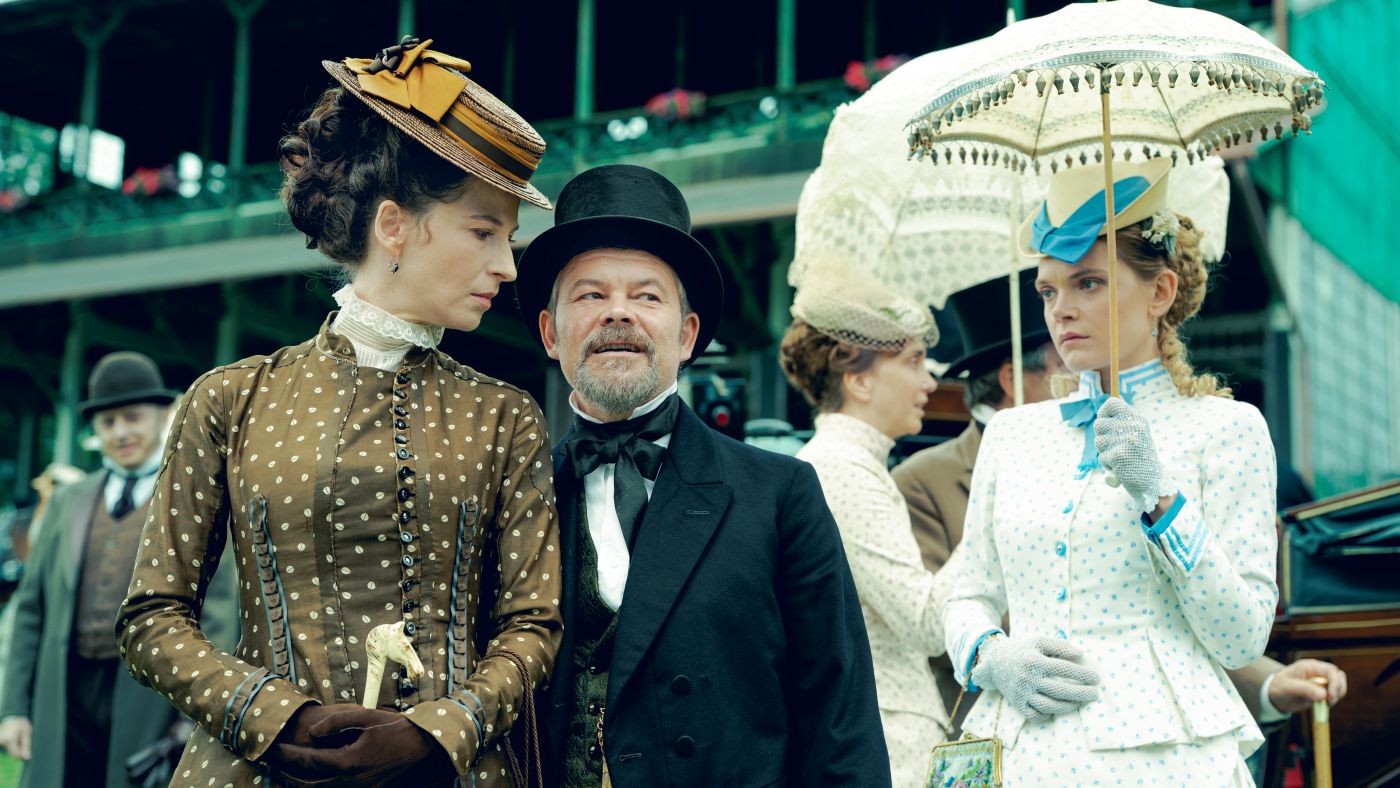
Margo wins at the races
Margo subsequently wins at the races, adding to Baron Krzeszowski’s humiliation.
Izabela then discovers something even more disturbing: Wokulski bought her family’s silverware from the pawnbroker.
She confronts him at his shop. Wokulski maintains that the purchase was simply business, but Izabela does not believe him. She tells him that however wealthy he becomes, the aristocracy will never consider him one of their own.
The confrontation lays bare the central conflict between them. Wokulski believes money can give him access to Izabela’s world; Izabela remains acutely conscious of the class boundary separating them.
Meanwhile, the investigation into the wharf fire takes a significant turn. A young witness claims that he can identify the person responsible.
Where to watch
The Doll (Lalka) is available to stream on Netflix.
Watch the trailer
Historical background
Dowries and marriage
Among wealthy 19th-century families, a daughter’s dowry could form an important part of marriage negotiations. Losing Izabela’s dowry therefore damages not only her personal wealth but also her position in the marriage market.
Women and medicine
Zofia’s situation reflects the genuine obstacles facing Polish women who wanted to become doctors. Some travelled abroad, including to universities in Switzerland, because opportunities for women to study medicine closer to home were severely restricted.
Horse racing in Warsaw
Horse racing had become an important part of Warsaw society during the 19th century. Organised racing in the city dated back to the 1840s, and meetings became fashionable gathering places for aristocrats, wealthy businessmen and other members of societ
