
Series: The Other Bennet Sister
Episode: 5
Based on: The Other Bennet Sister by Janice Hadlow
Setting: Regency London
Main character: Mary Bennet
Mary Bennet has decided to remain in London, and Episode 5 sees her enter society with a confidence that would have been unimaginable at Longbourn. But old insecurities are not so easily left behind.
Preparing for the ball
Mary writes to Mrs Bennet explaining that she will not yet join her at Pemberley. Instead, she is preparing to attend one of Lady Winspear’s weekly balls, and Ann Baxter takes charge of Mary’s transformation.
There are beauty treatments, lessons in walking and detailed instructions about attracting dancing partners without appearing too interested. Above all, Ann tells Mary she must project confidence and coolness. Her final piece of advice is the simplest: be herself.
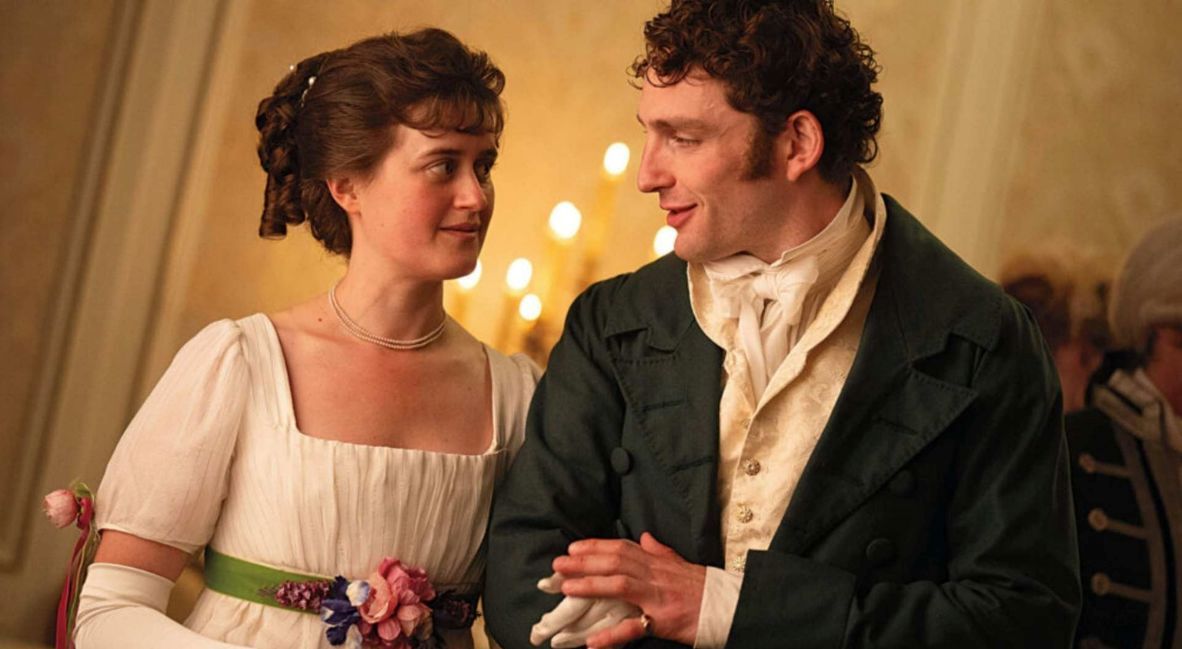
At the ball, Mary initially struggles to put any of this into practice. Tom Hayward dances with her, but Mary is painfully conscious of Ann and Tom’s relationship. Then William Ryder appears.
Dancing with William Ryder
William invites Mary to dance, but their conversation proves more interesting than the dancing itself. He dismisses society’s obsession with marriage and argues that men and women should simply follow their hearts.
Mary immediately points out the flaw in his romantic philosophy: men can afford such freedom far more easily than women, who are often left to bear the consequences. William is amused rather than offended.
As they dance, Mary admits to a decidedly un-Mary-like childhood pleasure. She secretly loved reading servants’ crime pamphlets filled with grisly murders and scandals. William is delighted.
For once, Mary isn’t trying to impress someone with her serious reading. She is revealing something genuinely peculiar about herself and even finds out that someone likes her more because of it.
Caroline Bingley returns
Mary’s confidence falters when she encounters Caroline Bingley. Caroline immediately reminds everyone that Mary was recently working as a governess and mocks the idea that she might now be looking for a husband.
William, however, calls Mary a “radical thinker” and invites her to supper. The following morning, Mary discovers that he has already called at the Gardiners’ house and left her a bundle of crime pamphlets.
She is delighted by the gift but remains troubled by Caroline’s contempt. Mrs Gardiner offers some excellent advice. Caroline’s confidence, she suggests, may conceal insecurities of her own.
“We do not run and hide from the Caroline Bingleys of this world,” she tells Mary. “We stand our ground.”
Mary decides to attend William’s supper.
William’s dinner party
William welcomes Mary warmly and shows her his late father’s collection of curiosities. Caroline is also there and continues needling Mary, even complimenting her supposed courage in ignoring fashion when everyone else tries to look attractive.
But this time Mary does not retreat.
At dinner, she finds herself seated beside the spectacularly uninterested Mr Hurst. Her attempts to discuss Catharine Macaulay and James Hutton get nowhere because Hurst cares about only one subject: horses.
So Mary changes tactics. Instead of trying to demonstrate what she knows, she asks him about something he knows. Soon Hurst is enthusiastically explaining horse racing, complete with an increasingly ridiculous demonstration of equine anatomy.
Mary is learning how to talk to people rather than lecture them.
Mary stands up to Caroline
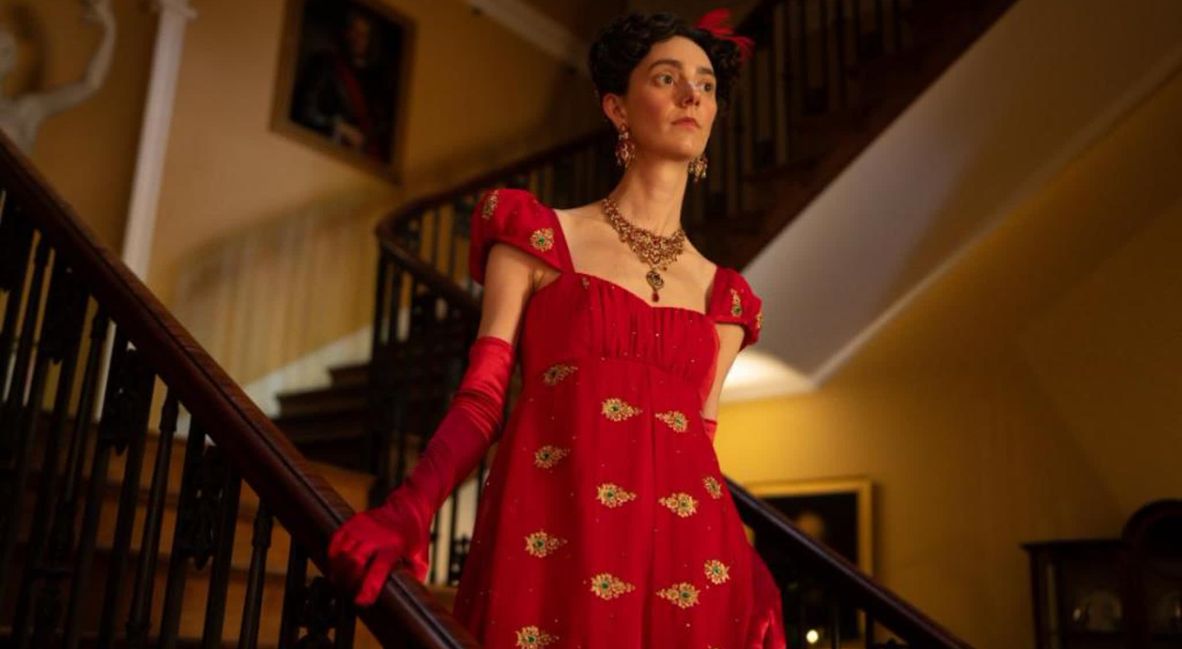
Caroline later delivers her cruellest attack yet. She repeats Lady Catherine de Bourgh’s assessment that Mary cannot compare with any of her sisters and warns her against imagining that William could seriously be interested in her.
Mary finally fights back. Perhaps, she suggests, Caroline knows so much about rejection because she has experienced rather a lot of it herself.
It is a direct hit.
Meanwhile, Tom awkwardly asks Mary whether William’s attentions are making her uncomfortable. Mary tells him that she enjoys William’s company, although she tries to explain that she is not necessarily attracted to him. Before she can finish, she overhears other guests discussing her.
To her astonishment, they do not consider her hopelessly plain. One even remarks that William should act before another man does. It is an extraordinary moment for Mary: the woman who spent her life believing herself undesirable is beginning to realise that her mother’s judgement was never an objective truth.
Then Caroline attempts one final humiliation, announcing that Mary will sing. Before Mary can be forced into repeating the nightmare of the Netherfield ball, the Gardiners arrive with urgent news.
Mrs Bennet has been taken gravely ill. Mary must leave for Pemberley immediately.
Historical notes
The popularity of crime stories: Crime pamphlets really were popular entertainment. Accounts of murders, executions, trials and notorious criminals circulated widely in cheap printed pamphlets and broadsides. Respectable readers might disapprove of them, but the public appetite for gruesome true stories was enormous. Mary secretly devouring them is essentially the Regency equivalent of being addicted to true-crime documentaries.
Dancing and courtship: A lady’s dance card could carry real social meaning. At formal dances, women could record promised partners, while dancing repeatedly with the same gentleman could signal particular interest. Ann’s elaborate coaching therefore reflects a society in which courtship operated according to recognised conventions and was watched closely by everyone else in the room.
The risks of “following your heart”: Mary is right to challenge William’s idea of simply following the heart. Sexual freedom carried dramatically unequal consequences for men and women. An unmarried woman who became pregnant could suffer severe social and economic consequences, while the man involved often faced nothing comparable. William can afford to regard social rules as tiresome conventions partly because his sex and social position protect him from many of the risks Mary would face.
Where to watch The Other Bennet Sister
The Other Bennet Sister is available on BBC iPlayer in the UK, BritBox in the US and Canada, and BINGE and Foxtel Now in Australia. Availability varies in other countries.
